
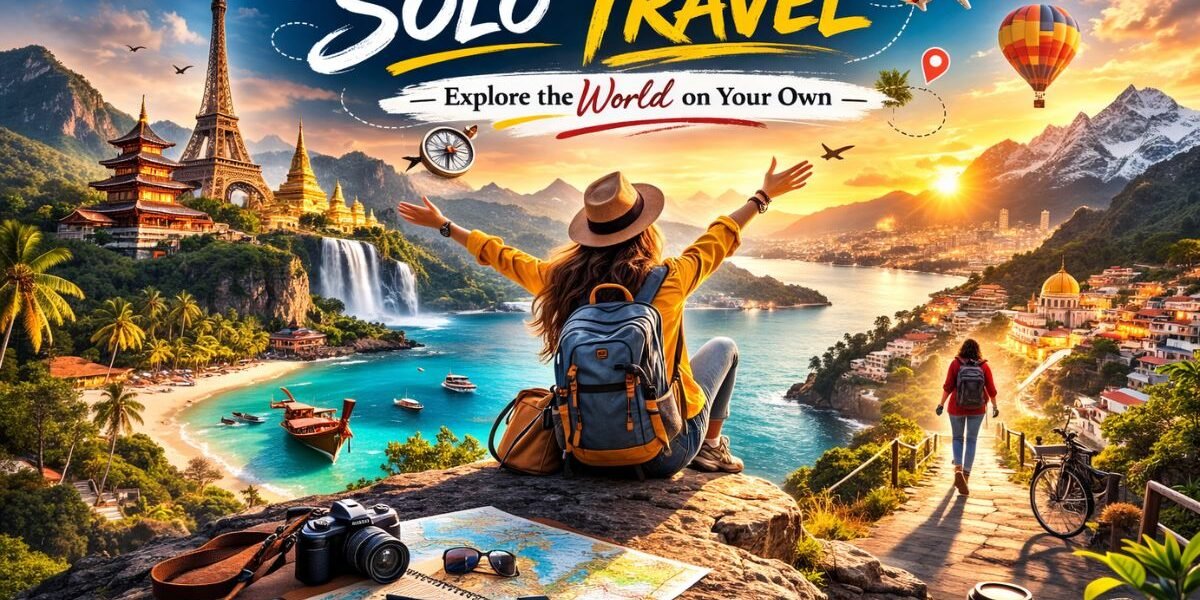

Solo travel is more than just a way of exploring new destinations it is a powerful journey of self-discovery, independence, and personal growth. In recent years, travel has gained immense popularity among people of all ages who want freedom, flexibility, and deeper cultural experiences. Traveling alone allows you to move at your own pace, make spontaneous decisions, and truly connect with yourself and the world around you.
This comprehensive guide to solo travel will help you understand its benefits, challenges, planning tips, safety measures, budgeting strategies, and the mindset needed to enjoy traveling alone. Whether you are planning your first solo trip or looking to enhance your experience, this article will provide everything you need to know.
What Is Solo Travel?
Solo travel refers to traveling alone without companions such as friends, family, or organized tour groups. It does not necessarily mean being lonely; instead, it emphasizes independence and self-reliance. Many solo travelers meet new people along the way through hostels, group tours, local events, and cultural exchanges.
The beauty of solo travel lies in complete control over your journey. From choosing destinations and accommodations to deciding daily activities, every decision is yours. This freedom allows travelers to design trips that perfectly match their interests, energy levels, and goals.
Why Solo Travel Is Becoming So Popular
The rise of remote work, digital nomad lifestyles, and online travel communities has made solo travel more accessible than ever. Social media platforms and travel blogs inspire people to step outside their comfort zones and explore the world independently.
Solo travel also appeals to people seeking personal development. Traveling alone pushes you to face challenges, adapt to unfamiliar situations, and become more confident in your decision-making abilities. For many, it becomes a transformative life experience rather than just a vacation.
Benefits of Solo Travel
One of the biggest advantages of solo travel is complete freedom. You are not required to compromise on destinations, schedules, or activities. If you want to wake up early for a sunrise hike or spend hours in a café reading a book, the choice is entirely yours.
Solo travel also builds confidence and independence. Navigating new cities, handling unexpected situations, and communicating with people from different cultures strengthens problem-solving skills. Over time, travelers develop a strong sense of self-reliance and adaptability.
Another major benefit is deeper cultural immersion. When traveling alone, you are more approachable and likely to interact with locals. Conversations with strangers, participation in local traditions, and shared experiences often feel more authentic during solo travel.
Challenges of Solo Travel
While solo travel is rewarding, it also comes with challenges. Loneliness can sometimes occur, especially during long trips or in quieter destinations. However, this feeling often passes as travelers meet new people or engage in meaningful activities.
Safety concerns are another common worry. Traveling alone requires extra awareness and planning, especially in unfamiliar places. From securing belongings to choosing safe accommodations, solo travelers must be proactive about personal security.
Decision fatigue can also be a challenge. Since every choice is yours, planning routes, meals, and activities daily can sometimes feel overwhelming. Developing a flexible itinerary can help balance structure and spontaneity.
How to Plan a Solo Travel Trip
Planning is essential for a successful solo travel experience. Start by researching destinations that align with your interests, budget, and comfort level. Some destinations are more beginner-friendly for solo travelers due to good infrastructure and safety.
Accommodation plays a crucial role in solo travel. Hostels, guesthouses, and homestays are popular choices because they offer social environments and opportunities to meet fellow travelers. Reading reviews and choosing well-rated places can greatly enhance your experience.
Transportation planning is equally important. Understanding local transport systems, booking tickets in advance, and keeping backup options can save time and reduce stress during your journey.
Solo Travel Safety Tips
Safety is a top priority when traveling alone. Always research the safety situation of your destination before departure. Learn about common scams, cultural norms, and areas to avoid.
Keeping your belongings secure is essential. Use anti-theft bags, avoid displaying valuables, and keep important documents in multiple places. Digital copies of passports and IDs can be lifesavers in emergencies.
Trusting your instincts is one of the most important safety rules in solo travel. If a situation feels uncomfortable, it is okay to leave. Staying alert and aware of your surroundings significantly reduces risks.
Budgeting for Solo Travel
Budgeting is a key aspect of solo travel, as costs are not shared with companions. Creating a realistic budget helps avoid financial stress during the trip. Consider expenses such as accommodation, transportation, food, activities, and emergency funds.
Solo travelers can save money by choosing budget accommodations, using public transportation, and eating local food. Traveling during off-peak seasons also reduces costs while offering a more relaxed experience.
Tracking expenses regularly helps maintain financial control. Many solo travelers use mobile apps or simple spreadsheets to monitor daily spending and adjust plans accordingly.
Best Destinations for Solo Travel
Some destinations are especially popular among solo travelers due to safety, affordability, and welcoming cultures. Cities with strong public transportation systems, friendly locals, and active traveler communities are ideal choices.
Nature-focused destinations are also great for solo travel. National parks, coastal towns, and mountain regions provide peaceful environments for reflection and adventure. These places allow solo travelers to reconnect with nature and enjoy solitude without feeling isolated.
Urban destinations offer endless opportunities for exploration. Museums, cafes, walking tours, and cultural events make cities exciting for solo travelers who enjoy independence and flexibility.
Solo Travel and Mental Growth
Solo travel has a profound impact on mental well-being. Spending time alone encourages self-reflection and mindfulness. Without familiar routines and social expectations, travelers often gain clarity about their goals, values, and priorities.
Facing challenges independently builds emotional resilience. Navigating delays, language barriers, or unexpected changes teaches patience and adaptability. These skills often translate into greater confidence in everyday life.
Solo travel also helps people reconnect with themselves. It provides space to think, dream, and recharge away from daily responsibilities and distractions.
Socializing While Traveling Alone
Traveling solo does not mean being isolated. Many solo travelers form meaningful connections during their journeys. Hostels, group tours, workshops, and local events are excellent places to meet like-minded people.
Engaging in shared activities such as cooking classes, walking tours, or adventure sports creates natural opportunities for conversation. Even short interactions can lead to lasting friendships or unforgettable memories.
At the same time, solo travel allows you to choose when to socialize and when to enjoy solitude. This balance is one of the most rewarding aspects of traveling alone.
Packing Essentials for Solo Travel
Packing smartly makes solo travel more comfortable and stress-free. Traveling light allows greater mobility and flexibility. Choose versatile clothing suitable for different weather conditions and activities.
Essential items include travel documents, a first-aid kit, power bank, universal adapter, and basic medications. Comfort items such as a journal, book, or headphones can enhance solo moments during the journey.
Keeping your luggage organized helps save time and reduces anxiety, especially when moving frequently between destinations.
Solo Travel for First-Time Travelers
First-time solo travelers often feel nervous, which is completely normal. Starting with shorter trips or familiar destinations can help build confidence. Gradually increasing travel duration and complexity makes the transition smoother.
Planning thoroughly and staying informed reduces uncertainty. However, leaving room for flexibility allows spontaneous experiences that often become highlights of the trip.
Remember that mistakes are part of the learning process. Every challenge faced during solo travel contributes to growth and confidence.
Conclusion
Solo travel is a life-changing experience that offers freedom, growth, and unforgettable memories. While it requires courage and preparation, the rewards far outweigh the challenges. From discovering new cultures to building self-confidence, traveling alone opens doors to experiences that are deeply personal and empowering.
Whether you seek adventure, self-reflection, or simply a break from routine, solo – travel provides an opportunity to explore the world on your own terms. With the right mindset, planning, and awareness, solo – travel can become one of the most enriching journeys of your life.
